The Daring Operating System
Project Management That Moves Work
"Focus on idle work, not idle workers."
We run projects through one operating system so strategy, design, build, validation, and launch stay connected from first idea through adoption.
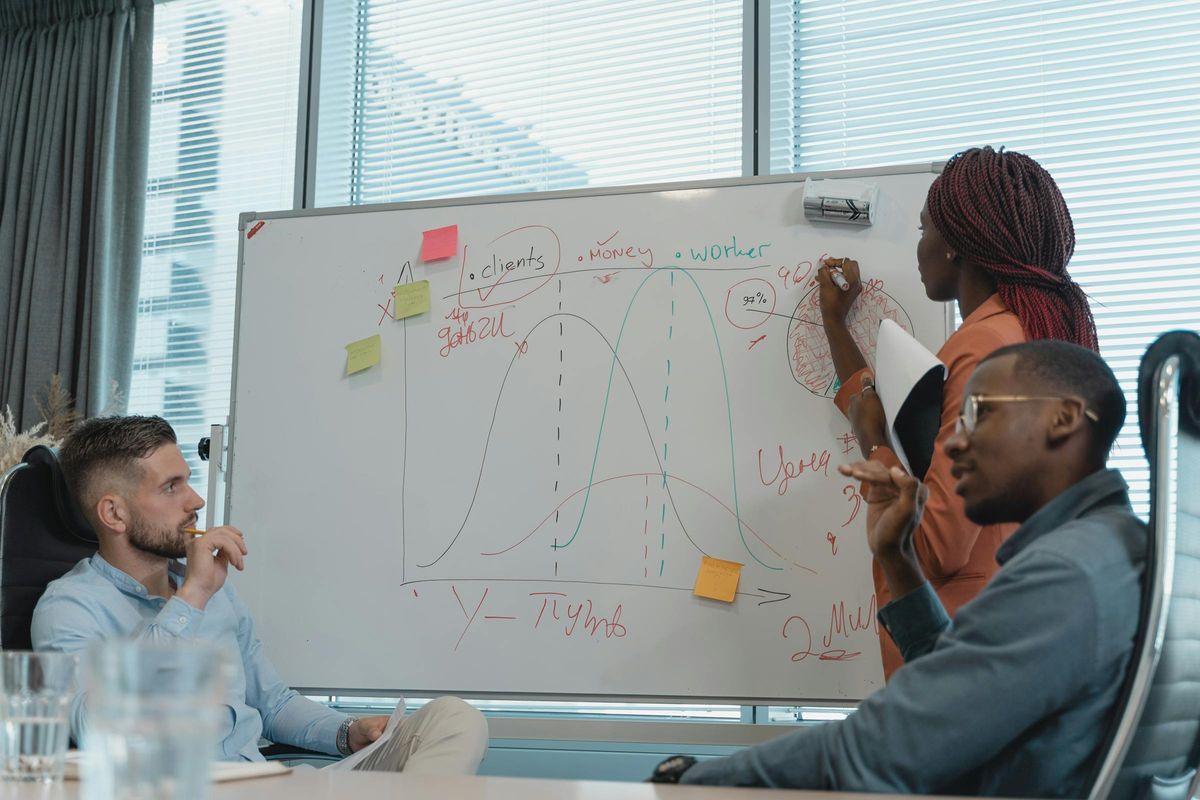

Move Work, Not Just Activity
A strong operating system keeps decisions, quality, and execution connected so initiatives move with control.
Project Management Should Move Work
Most project management systems are built to keep people busy, assign ownership, and publish status updates. That is not enough for growth-stage companies running high-risk initiatives.
Leaders need a system that keeps priorities, decisions, quality, and execution connected across product, engineering, operations, marketing, and support. That is the role of the Daring Operating System.
One System Across Strategy And Execution
- A single process aligning product, engineering, operations, marketing, and support
- Clear gates so commitments are made with the right information at the right time
- Structured work packages and work items that keep progress visible
- Quality engineered into the control plane instead of inspected in late
The result is better executive visibility, fewer late surprises, and a delivery system built for outcomes instead of activity theater.

Flow Over Utilization
Velocity comes from reducing idle work and handoff friction, not maximizing how busy every person appears.
Watch The Baton, Not The Runners
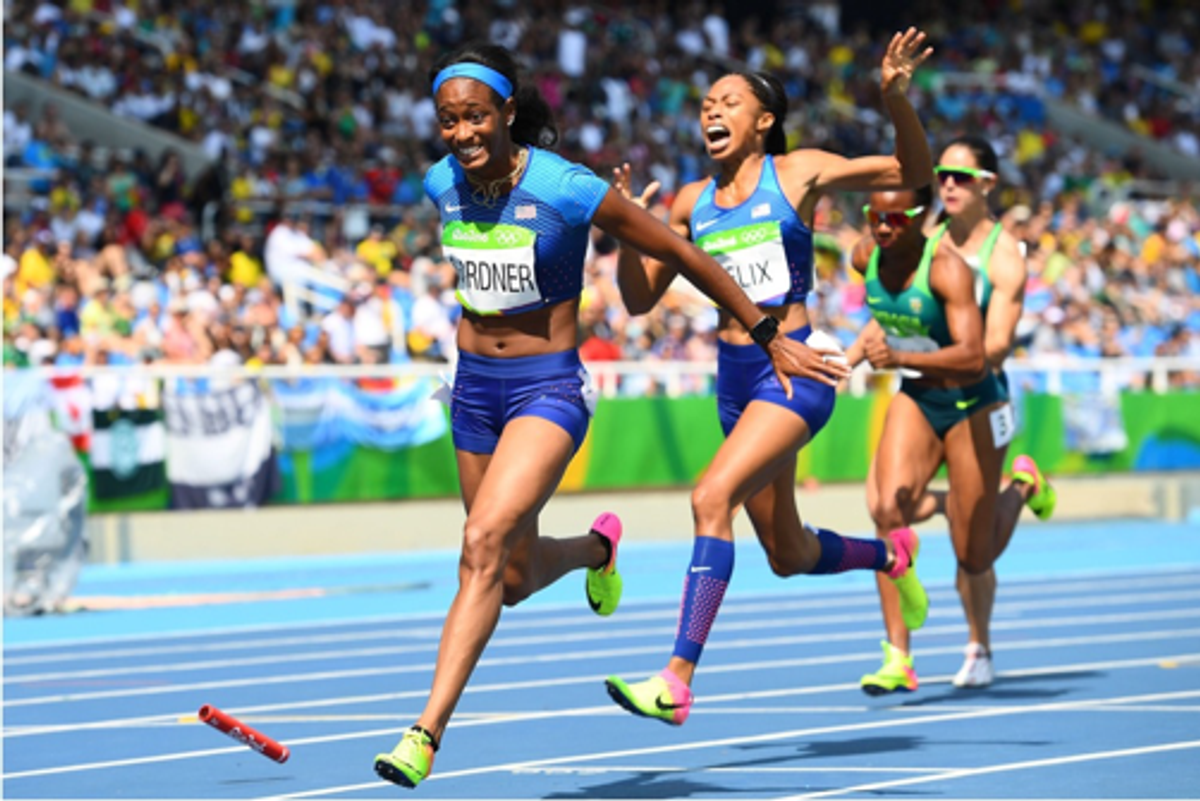
In a 4x relay, only one runner is advancing the baton at a time. Judging the race by how busy each runner looks misses the point. The only thing that matters is how quickly the baton crosses the finish line.
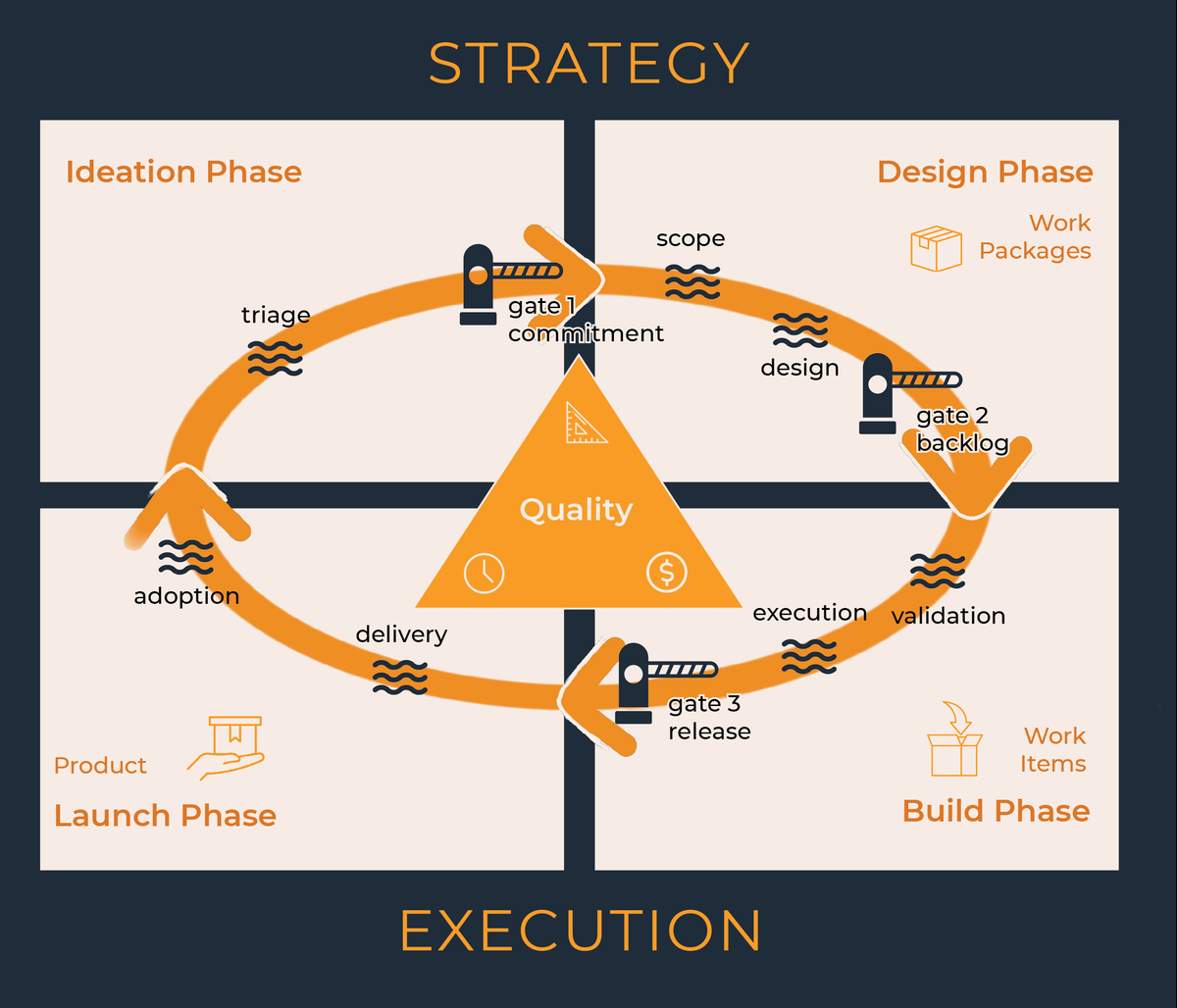
We manage work the same way. The baton is the work. We watch how long it takes to move from triage to commitment, design, execution, validation, release, delivery, and adoption.
Focus On Idle Work, Not Idle Workers
High utilization can look efficient while work sits stalled in queues, trapped in handoffs, or spread across too many initiatives at once.
Daring Way optimizes for flow. We reduce work in progress, keep batch sizes small enough to move, and organize decisions so work does not wait on avoidable ambiguity.
This is also an economic decision. Time to value, quality, and decision timing matter more than keeping every person maximally utilized at every moment.

Operating Rhythm And Control
Clear gates, structured artifacts, and accountable anchors keep strategy attached to execution from ideation through adoption.
How Work Moves Through The Daring Operating System
- Ideation: triage and gate 1 commitment
- Design: scope definition, design, and work package formation
- Build: gate 2 backlog, execution, and validation
- Launch: gate 3 release, delivery, and adoption
This structure gives leaders a clear rhythm for decision-making without slowing the work with unnecessary bureaucracy.
Structured Work Keeps Strategy Attached To Execution
- Packages define the work package, theme, or epic
- Items define the unit of progress inside or outside a package
- Tasks define the concrete actions required to move work
Because the artifact model is consistent from planning through launch, priorities stay visible and progress is measured by completed outcomes.
Every Engagement Has Four Anchors
- Business Partner
- Technical Partner
- Principal
- Velocity Manager
Together they keep commercial goals, technical decisions, operating judgment, and flow management connected throughout the work.

Leadership Outcomes
Leaders get clearer priorities, better-timed decisions, and stronger confidence in quality and release readiness.
What Leaders Get
The output of this system is not more reporting. It is better execution.
- Clearer priorities and fewer late-stage surprises
- Faster, better-timed decisions at key commitment points
- Less work trapped in queues and cross-functional handoffs
- Higher confidence in quality, release readiness, and adoption
- A project management approach built for growth, complexity, and operational risk